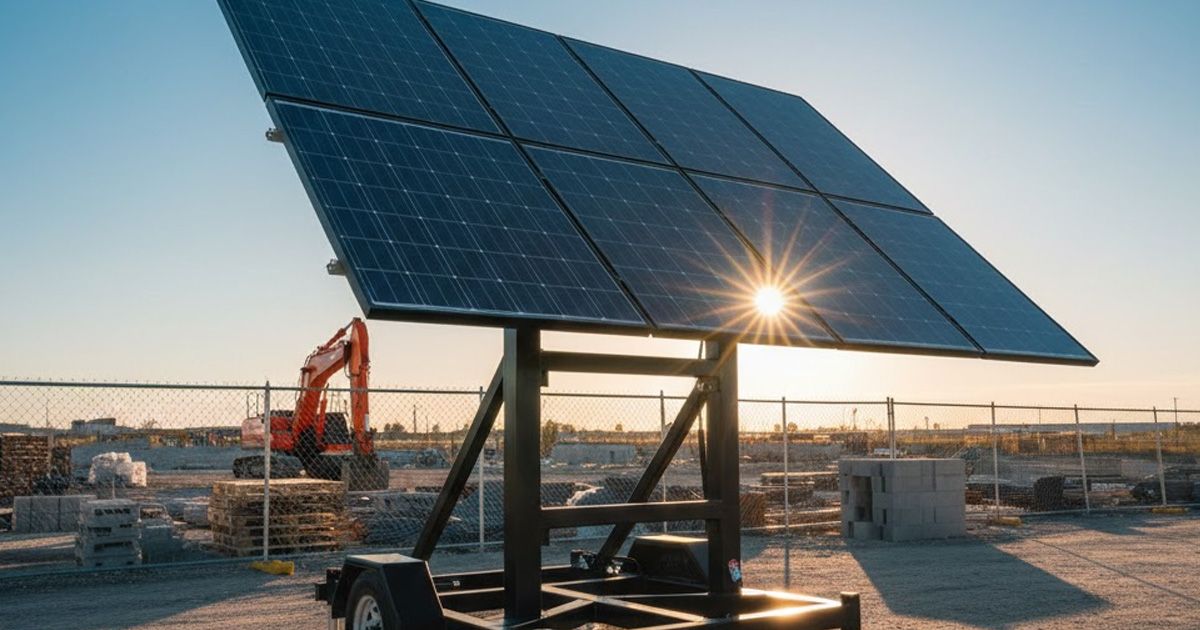
A U.S. general contractor deployed five solar surveillance units on a $200 million project. Over six months, jobsite theft dropped 72%. They prevented $480,000 in stolen materials.
The technology wasn't new. The decision was simple: stop waiting for hardwired infrastructure and deploy cameras that don't need it.
That decision is becoming the standard for GCs who are serious about site security. Here's why.
The Hardwired Problem
For years, the default approach to construction site security looked like this: hire an electrical contractor to run conduit, trench cables, connect to grid power, install cameras, and configure the network. Weeks of coordination. Permits. Contractors on top of contractors. A system that's finally operational long after the high-risk early phases of your project have passed.
And then — when the project ends and the site moves — you leave it all behind.
Hardwired security systems were built for permanent installations. Office buildings, retail locations, warehouses. Places where the investment in infrastructure makes sense because the infrastructure stays.
Construction sites are the opposite of permanent. The project moves, the equipment moves, and the security system should move with them. Hardwired doesn't.
Installation: Hours vs. Weeks
The most immediate difference between solar and hardwired systems is deployment time.
Hardwired camera installation costs $80–$200 per camera in electrical labor alone — and that doesn't include trenching for conduit, permits, or the coordination required to schedule electrical contractors around your other trades. A full hardwired setup for a large site can take days or weeks from decision to operational.
Solar-powered mobile units deploy in hours. There's no trenching. No electrical contractor. No permits. No waiting.
For general contractors, this matters in ways beyond convenience. Your highest security risk isn't when the site is fully staffed and active — it's during nights and weekends when no one's around. Hardwired systems that take weeks to install leave you exposed during the early project phases when theft is both likely and costly. Solar units can be operational before your materials arrive on site.
The cost difference is significant too. Solar installations cost up to 87% less than hardwired systems when you account for the absence of trenching, cabling, electrical labor, and permitting.
Total Cost of Ownership: The Real Comparison
When GCs compare solar to hardwired, the upfront hardware cost is usually the first number they look at. It shouldn't be the only one.
Hardwired security cameras consume approximately 10 kilowatt-hours of electricity per day. At the U.S. average electricity rate, that's roughly $475 per camera per year in operating costs — just electricity. Across a multi-camera setup on a large site, those costs accumulate through every phase of your project.
Solar-powered cameras: $0 per year in electricity costs. Powered entirely by solar panels and stored in onboard batteries.
The TCO comparison across a 12-month project:
| Hardwired (4 cameras) | Solar (4 cameras) | |
|---|---|---|
| Installation | $5,000–$12,000+ | $800–$2,000 |
| Annual electricity | ~$1,900 | $0 |
| Relocation cost | Reinstall required | Move and redeploy |
| End-of-project cost | Left behind or removed | Reused on next project |
The hardwired math rarely favors construction sites. The solar math compounds in your favor over time.
Flexibility Is a Feature
There's an underrated advantage in solar deployment that the TCO numbers don't fully capture: the ability to move.
Construction projects aren't static. Site phases shift. Your highest-value equipment storage area in month two may be your lowest-risk area in month six. If you've hardwired cameras in specific positions, repositioning them requires reinstallation — another electrical contractor, more trenching, more time.
Solar units move when you move them. You identify a new blind spot or a phase change that creates a new risk area — you reposition the units. No reinstallation, no labor, no downtime. The cameras go where the risk is.
This flexibility extends across projects. Solar mobile units purchased or leased for one site can be redeployed to the next. The hardwired cameras you installed are staying where you put them.
Remote and Off-Grid Sites
Hardwired systems have a dependency that makes them impractical for a significant portion of construction: they require grid power.
Not every project site has reliable electrical infrastructure. New developments, remote locations, early-phase sites before utilities are established — these are the environments where solar security cameras aren't just preferable, they're the only option.
Cellular-connected solar units operate independently of local power and internet infrastructure. No Wi-Fi network to configure or secure. No generator fuel to manage. The camera connects to the monitoring network through its own cellular modem, transmitting footage and alerts regardless of what's — or isn't — available on site.
This matters for coverage during the exact periods when theft is most likely. 80% of construction site incidents occur between 10 PM and 4 AM. Theft spikes on weekends and holidays. These are periods when grid power disruptions would take out a hardwired system's monitoring capability. Solar-powered, battery-backed systems operate through them.
Why 79% of GCs Are Already Using Cameras — And What's Changing
Pre-pandemic data showed 79% of construction firms using cameras on sites. That number has risen since, driven by escalating theft rates and improved technology. The question has shifted from whether to use cameras to what kind.
The shift toward solar reflects a few realities that have become harder to ignore:
Projects move faster than hardwired infrastructure allows. The approval, scheduling, and installation process for hardwired systems doesn't match the pace of modern construction timelines.
Theft is becoming more organized. Organized theft rings target specific equipment types and study site patterns. A security system that takes weeks to deploy is a system that wasn't there when they cased the site.
Insurance and risk management teams are watching. GCs who can demonstrate active, documented security measures have leverage in insurance negotiations.
The economics favor solar at scale. A GC managing multiple active projects simultaneously can't absorb the installation cost and infrastructure complexity of hardwired systems on every site. Solar units that can redeploy across a portfolio change the math entirely.
Making the Switch
If you're evaluating your current security setup or planning for an upcoming project, here's what to compare:
- Deployment time — Can the system be operational before your high-value materials arrive?
- Operating cost — What's the annual electricity cost per camera, and what's your solar alternative?
- Flexibility — Can cameras be repositioned without reinstallation when project phases shift?
- Off-grid capability — Does the system require grid power or on-site internet?
- Redeployment value — Can the investment be used across multiple projects?
For most construction applications, solar-powered, cellular-connected, actively monitored units check every box that hardwired systems don't.
Related reading:
Ready to see what solar surveillance looks like for your next project?
Get a custom quote in under 24 hours. No obligation, no long-term contracts.